

Dumpster Rental Sizes Guide – Find Your Perfect Fit
When it comes to renting a dumpster, understanding the various sizes is essential for effectively managing your waste. Dumpster options typically span from 10 to 40 cubic yards. For small cleanouts or minor projects, a 10-yard dumpster might suffice, while larger renovations may require a 20- or even 30-yard option. Each size has its own dimensions and capacity specifics that can help you gauge what fits your needs best. Additionally, factors like the type of debris and available space for delivery play vital roles in your decision-making process. Choosing wisely ensures efficiency in waste management while also promoting responsible disposal practices through services like Upcycle Dumpsters, which focus on recycling efforts.
Table of Contents
- Overview of Dumpster Sizes
- 10-Yard Dumpster: Best for Small Projects
- 12-Yard Dumpster: Great for Home Renovations
- 15-Yard Dumpster: Suitable for Medium Cleanouts
- 20-Yard Dumpster: Ideal for Larger Renovations
- 30-Yard Dumpster: Perfect for Significant Projects
- 40-Yard Dumpster: Best for Major Cleanouts
- Factors to Choose the Right Size
- Type of Debris: Considerations for Selection
- Amount of Debris: Estimating Your Needs
- Delivery Location: Space and Accessibility
- Weight Limits: Avoiding Extra Fees
- Additional Considerations for Renting
- Permits: Local Regulations and Requirements
- Rental Duration: Typical Timeframes
- Recycling and Disposal with Upcycle Dumpsters
- Choosing Upcycle Dumpsters for Sustainable Services
- Summary of Dumpster Rental Sizes and Uses
- Frequently Asked Questions
1. Overview of Dumpster Sizes
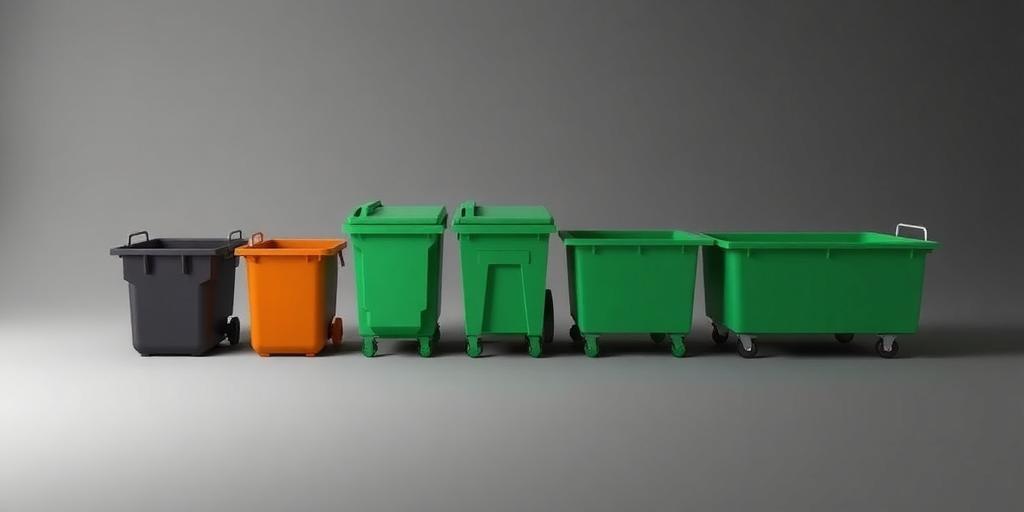
When it comes to renting a dumpster, understanding the sizes available is key to making the right choice for your project. Dumpster sizes are measured in cubic yards, and they typically range from 10 to 40 cubic yards. Each size has its own dimensions, weight capacity, and ideal uses, which can significantly impact both efficiency and cost.
For example, a 10-yard dumpster, measuring approximately 12 feet long by 8 feet wide and 4 feet high, is suitable for small cleanouts or minor renovations, holding about three pickup truck loads of waste. In contrast, a larger 40-yard dumpster, at about 22 feet long, 7.5 feet wide, and 8 feet high, can handle around 12 pickup truck loads and is often used for major construction jobs or commercial projects.
Choosing the right dumpster size is crucial to avoid overages or extra costs. If you select a size too small, you may need to rent an additional dumpster, which can increase your overall expenses. Rental durations can vary, but most dumpsters are rented for about 5 to 7 days, with extensions available in some cases.
It’s important to consider the weight capacity of each dumpster as well. For instance, a 20-yard dumpster can typically handle about 6,000 pounds, while a 30-yard dumpster may accommodate up to 10,000 pounds. Being aware of these limits can help you plan your disposal more effectively, especially if you are dealing with heavy materials like concrete.
In terms of pricing, smaller dumpsters are generally less expensive, but costs can vary based on location and demand. Each dumpster size is designed for specific types of waste; for example, 10-yard dumpsters are great for yard waste, while 30-yard dumpsters are better for larger remodeling projects.
Estimating the right size for your household projects can be done by assessing both the volume of waste you expect to generate and the types of materials you’ll be disposing of. Proper selection not only streamlines your project but also minimizes your environmental impact by ensuring that waste is managed responsibly. Lastly, availability of dumpster sizes can differ by region, so it’s worth checking local rental services like Upcycle Dumpsters, which emphasize sustainable practices in waste disposal.
2. 10-Yard Dumpster: Best for Small Projects
The 10-yard dumpster is a compact and versatile option, with typical dimensions of 12 feet long, 8 feet wide, and 4 feet high. It holds about three pickup truck loads of debris, making it perfect for small cleanouts, landscaping tasks, and projects involving heavy materials like concrete or dirt. Its size allows for easy placement in tight spaces, which is a significant advantage for DIY enthusiasts and homeowners looking to declutter.
When planning to use a 10-yard dumpster, it’s essential to consider the types of waste you’re disposing of, as some materials may not be allowed. For example, hazardous waste and certain electronic items often require special handling and disposal methods. Renting a 10-yard dumpster is generally cost-effective for small-scale projects, providing a balance between capacity and affordability.
Typical rental durations range from five to seven days, with options for extensions if needed. Keep in mind that weight restrictions apply, so it’s important to estimate the amount of debris you’ll have. A good rule of thumb is to calculate the volume of your waste and consider how densely it can be packed into the dumpster.
To maximize space, load the dumpster strategically by placing heavier items at the bottom and lighter items on top. This not only helps in utilizing the space efficiently but also ensures that the dumpster is within weight limits, avoiding any additional fees. Proper planning and execution will make your project smoother and more manageable.
3. 12-Yard Dumpster: Great for Home Renovations
The 12-yard dumpster measures 14 feet long, 7.5 feet wide, and 4 feet high, with an estimated capacity of about 3 to 4 pickup truck loads. This size is particularly ideal for bathroom remodels and small kitchen upgrades, making it a popular choice for homeowners looking to tackle renovation projects. It can efficiently handle common types of debris like tiles, drywall, and old fixtures, which are typical in these kinds of renovations.
Using a 12-yard dumpster provides several benefits for home projects. It offers enough space to dispose of waste without being too large, which helps keep costs manageable. Rental fees for a 12-yard dumpster usually range from $300 to $500, depending on your location and rental duration. It’s important to consider that this size is typically more suited for residential use rather than commercial, as its capacity limits may not meet the higher demands of larger projects.
When placing the dumpster, ensure you have enough space, ideally on your driveway or yard, as it requires room for delivery and access. Safety is also a priority; avoid overloading the dumpster and always load heavier items first to maintain balance. Rentals typically last from 5 to 7 days, with options for extensions if needed. Local availability can vary, so check with service providers in your area, such as Upcycle Dumpsters, known for their sustainable disposal practices.
4. 15-Yard Dumpster: Suitable for Medium Cleanouts
The 15-yard dumpster measures approximately 16 feet long, 7.5 feet wide, and 4.5 feet high, providing a volume capacity of around 4 to 5 pickup truck loads. This size is particularly suited for medium-sized home cleanouts, such as clearing out a garage, attic, or basement, as well as managing yard waste. It is also commonly used for small remodeling projects like bathroom updates or kitchen renovations, where the volume of debris is manageable but still significant.
When renting a 15-yard dumpster, you can expect costs to vary based on location and rental duration, but generally, pricing trends indicate it is a cost-effective option for homeowners. Be mindful of weight limits, as exceeding them can lead to additional fees. Most 15-yard dumpsters come with a weight limit of around 2 to 3 tons, depending on the rental company.
For efficient loading, it’s recommended to break down larger items to maximize space. Stack materials neatly and avoid overloading the sides to ensure safe transport. When selecting a rental company, choose one that provides transparent pricing and has positive reviews. Make sure to clarify the rental duration, typically ranging from 5 to 7 days, and any local regulations regarding dumpster placement, especially if it needs to be set on a public street. Additionally, consider environmentally responsible disposal options, like those offered by Upcycle Dumpsters, which focus on recycling and minimizing landfill waste.
5. 20-Yard Dumpster: Ideal for Larger Renovations
A 20-yard dumpster measures 22 feet long, 7.5 feet wide, and 4.5 feet high, providing ample space to handle about six pickup truck loads of waste. This size is particularly well-suited for larger home renovations, substantial cleanouts, roofing projects, or significant yard work, making it a popular choice among homeowners and contractors alike. When renting a 20-yard dumpster, it is essential to consider the types of waste you plan to dispose of, as there are restrictions on hazardous materials, concrete, and certain electronics. Pricing often reflects the size, so while it may be more expensive than smaller options like the 10 or 15-yard dumpsters, it can be more economical for larger projects where multiple smaller dumpsters would be required. Delivery and pickup logistics are also vital, as the dumpster needs enough space for placement without obstructing driveways or pathways. Safety is important when loading heavier items, so be mindful of the weight limits to avoid extra charges. Most rental terms range from five to seven days, but extensions are typically negotiable. To determine if a 20-yard dumpster meets your needs, assess the scope of your project and the volume of waste you expect to generate. Additionally, check with local service providers to ensure availability and compare prices.
6. 30-Yard Dumpster: Perfect for Significant Projects
The 30-yard dumpster measures approximately 22 feet long, 7.5 feet wide, and 6 feet high, accommodating about 9 pickup truck loads of waste. This size is particularly suited for large remodels, extensive construction projects, or significant home cleanouts where the volume of debris can be substantial. Common waste types accepted in a 30-yard dumpster include bulky furniture, drywall, roofing materials, and large quantities of yard waste.
When renting a 30-yard dumpster, it’s essential to consider cost implications and rental fees, which can vary based on location and duration. Expect to pay more than for smaller dumpsters, but the efficiency it offers for large projects often justifies the cost. Additionally, keep in mind the weight restrictions; exceeding these limits can lead to extra fees.
To maximize your space, load heavier items first and intersperse lighter materials to fill gaps effectively. For projects requiring longer rental durations, most companies offer extensions, but it’s wise to check the terms beforehand. Local regulations may also dictate how and where you can place the dumpster, especially for commercial projects.
It’s important to consider the environmental impact of your disposal methods. Opting for a service like Upcycle Dumpsters, which focuses on recycling and responsible disposal, ensures that your waste is handled sustainably. Finally, choosing the right rental service can make all the difference; look for companies with good reviews, transparent pricing, and a commitment to eco-friendly practices.
7. 40-Yard Dumpster: Best for Major Cleanouts
The 40-yard dumpster is the largest size available for rental, measuring approximately 22 feet long, 7.5 feet wide, and 8 feet high. It offers a capacity of about 12 pickup truck loads, making it ideal for substantial cleanouts and large construction jobs. This size is particularly suited for commercial projects, such as office renovations or building demolitions, where a significant volume of waste is generated.
Common waste types that can be disposed of in a 40-yard dumpster include large amounts of construction debris, furniture, appliances, and yard waste. However, it’s crucial to be aware of the weight limits, which typically range from 10 to 20 tons, depending on the rental company. Overloading the dumpster can lead to extra fees, so careful planning is necessary.
When loading a 40-yard dumpster, consider using proper techniques to maximize space. Distributing weight evenly and breaking down larger items can help. Placement is also key: ensure the dumpster is accessible for loading and that it does not obstruct traffic or pathways.
Typical rental contracts for a 40-yard dumpster range from 5 to 7 days, but extensions may be available. Additionally, if the dumpster will be placed on a public street, you may need to obtain a permit from your local municipality.
Local service providers often have varying availability, so it’s a good idea to compare options. Companies like Upcycle Dumpsters focus on sustainable practices, ensuring that waste is disposed of responsibly and with recycling in mind.
8. Factors to Choose the Right Size
When selecting the right dumpster size, several factors come into play. First, consider the type of debris you will be disposing of. Heavy materials like concrete might require a smaller dumpster due to weight limits, while lighter, bulkier items can fill larger ones more effectively. Next, estimate the amount of debris your project will generate. This helps you avoid overspending on a dumpster that’s too big or underestimating your needs.
Space considerations are also crucial. Ensure there is enough room for the dumpster to be placed without blocking pathways or driveways, and verify that the delivery area is accessible. Additionally, be aware of weight limits for each dumpster size to prevent incurring extra fees. Knowing local regulations is important too, as some areas may require permits for placing dumpsters on public property.
Your rental duration can affect costs as well. Most rentals last about a week, but longer projects might require extensions, which can add to your expenses. Lastly, look into recycling options. Some rental companies, like Upcycle Dumpsters, focus on sustainable practices, which can help you dispose of waste responsibly. Consider the customer service and support offered by rental companies, ensuring they can accommodate your scheduling needs for pickup and drop-off.
9. Type of Debris: Considerations for Selection
When selecting a dumpster, it’s essential to consider the type of debris you’ll be disposing of. Debris can typically be categorized into heavy materials, like concrete and dirt, and light materials, such as furniture and yard waste. The weight of heavy materials can quickly fill smaller dumpsters, so even if you think you have a lot of waste, a smaller dumpster may be more suitable due to weight restrictions. On the other hand, lighter materials may allow you to utilize larger dumpsters more efficiently.
Certain materials, like appliances or electronics, may have restrictions and need special handling due to local landfill regulations. It’s crucial to understand these rules to avoid fines and ensure proper disposal. Before you rent a dumpster, sort your debris. This not only helps you estimate the right size but also makes it easier to recycle or reuse materials. Many rental companies, including Upcycle Dumpsters, can guide you on what can and cannot be disposed of in their dumpsters.
There are common misconceptions about what items can be tossed into a dumpster. For example, hazardous materials like paints, chemicals, and batteries often require special disposal methods. Improper disposal can have significant environmental effects, so following best practices is vital. Always consult with your rental company to clarify any doubts about hazardous materials and get recommendations on safe disposal methods.
10. Amount of Debris: Estimating Your Needs
Estimating the amount of debris your project will generate is a crucial step in choosing the right dumpster size. A common method is to visualize the volume in terms of cubic yards, where one cubic yard is roughly equivalent to a standard washing machine. For example, a 10-yard dumpster can hold debris equal to about three pickup truck loads. To help with estimation, you can find online calculators that simplify the process by allowing you to input project details.
However, there are common pitfalls to avoid. Underestimating the volume can lead to extra costs if you need a second dumpster. Conversely, renting a larger dumpster than necessary wastes money and space. Factors such as the type of project, whether it’s a home renovation or a major construction job, significantly influence debris amounts. A simple home cleanout may generate less waste than a full remodel.
To prepare effectively, gather all materials and items you plan to dispose of in one area. This allows for a clearer visual assessment of the volume. Additionally, consulting with professionals can provide valuable insight, especially if you are uncertain about the estimated debris. Local resources or waste management services can also offer guidance tailored to your region. Following these best practices will ensure you choose the right dumpster size, making your cleanup or renovation project smoother.
11. Delivery Location: Space and Accessibility
When renting a dumpster, the delivery location plays a crucial role in ensuring a smooth process. First, assess the area where the dumpster will be placed to confirm it fits without obstructing pathways or driveways. Check for any overhead obstructions like power lines or trees that might complicate delivery. Accessibility for the delivery truck is also important to prevent delays, so look for nearby structures that might impede placement. Make sure the ground is level to avoid the dumpster tipping over, and avoid placing it on soft or unstable ground. If the intended spot is on a slope, consider additional safety measures or alternative locations. In some cases, you may need permits for street or sidewalk placement, so be sure to check local regulations. Lastly, be mindful of potential hazards around the delivery area, such as traffic or pedestrians. Communicating with the rental company about any unique delivery requirements will help ensure everything goes smoothly.
- Assess the area where the dumpster will be placed to ensure it fits.
- Check for any overhead obstructions like power lines or trees.
- Consider accessibility for the delivery truck to avoid delays.
- Look for nearby structures that might impede placement.
- Ensure the ground is level to prevent the dumpster from tipping.
- Avoid placing dumpsters on soft or unstable ground.
- If on a slope, consider additional safety measures or different locations.
- Identify if permits are needed for street or sidewalk placement.
- Be mindful of potential hazards around the delivery area, such as traffic or pedestrians.
- Communicate with the rental company about any unique delivery requirements.
12. Weight Limits: Avoiding Extra Fees
When renting a dumpster, it is important to keep in mind that each size comes with a specific weight limit. For instance, a 10-yard dumpster may be ideal for small cleanouts but can quickly be exceeded if you are loading in heavy materials like concrete or dirt. If the weight limit is surpassed, you could face extra fees that may not have been anticipated in your budget. To avoid this, discuss weight restrictions with your rental service beforehand, ensuring you know what to expect.
If your project involves heavy loads, consider using multiple smaller dumpsters instead of one large one. This not only helps you stay within weight limits but can also make for easier loading and unloading. Always review the type of debris you are dealing with to gauge weight accurately. For example, lighter materials such as yard waste can fill a larger dumpster without concern, while heavy items necessitate more careful planning.
It’s wise to ask the rental company about options for heavy waste disposal, as they may have specific guidelines or specialized dumpsters. If possible, weigh your debris before loading it into the dumpster to avoid surprises and additional costs. Finally, remember that some rental companies provide tools to help estimate debris weight, which can be a valuable resource in planning your waste disposal.
13. Additional Considerations for Renting
When renting a dumpster, it’s important to pay attention to various factors that can affect your experience. Start by reviewing the rental agreement carefully to identify any hidden fees or specific conditions that could surprise you later. Confirm the rental duration and ask about extension policies, as you may need extra time to complete your project. It’s also wise to inquire about drop-off and pick-up times to better plan your schedule.
Consider asking the rental company about discounts they may offer for longer rental periods or if you require multiple dumpsters. Understanding the process for reporting any damage or issues is crucial, as can save you from unnecessary charges later on. Additionally, check the company’s cancellation or rescheduling policies in case your plans change.
It’s vital to discuss acceptable materials for disposal to avoid any headaches during the rental period. Some companies have restrictions, and knowing what you can and cannot dispose of helps prevent any complications. If you need assistance with loading, find out if the company provides any equipment or services to help with that.
Lastly, take the time to look for reviews or testimonials about the rental service to gauge their reliability and customer satisfaction. Ensure that the company you choose practices eco-friendly disposal methods, like recycling, to minimize the environmental impact of your waste.
14. Permits: Local Regulations and Requirements
When renting a dumpster, understanding local regulations is essential. Different areas have specific laws regarding where you can place a dumpster. If you plan to put it on a public street or sidewalk, check whether a permit is necessary. This often involves contacting local authorities to get clear guidelines.
Some jurisdictions may charge fees for obtaining a permit, and these costs can vary widely. It’s also important to know how long the permit is valid. You don’t want to face penalties for keeping the dumpster longer than allowed. Additionally, make sure the dumpster’s location complies with zoning laws to avoid any legal issues.
Gather all the necessary documents required for the permit application. This could include proof of residence or project details. Monitor deadlines closely to ensure you submit your application on time, as delays can disrupt your project schedule.
Lastly, be aware of any restrictions regarding signage or advertising on the dumpster itself. Staying informed about changes in local regulations is also important, as these rules can evolve and may affect your rental experience.
15. Rental Duration: Typical Timeframes
When renting a dumpster, understanding the rental duration is essential for managing your project effectively. Standard rental periods usually range from 5 to 7 days, which gives you enough time to fill the dumpster without feeling rushed. However, if your project requires more time, many rental companies offer extensions, often for an additional fee. It’s a good idea to discuss your project’s timeline with the rental company in advance so you can plan accordingly.
Consider the size and scope of your project to estimate how long you’ll need the dumpster. For example, a small home renovation might fit comfortably within a week, while a larger construction project could take longer. Also, keep potential delays in mind, such as weather conditions or unexpected obstacles, which could affect your timeline.
If you’re in a hurry, some companies provide same-day or next-day rentals, allowing you to start your project without delays. Make sure to document your start and end dates clearly in the rental contract to avoid confusion later. It’s also wise to review whether there are additional charges for late returns, as these can add up quickly.
If your project extends into the weekend, don’t hesitate to ask about options for weekend rentals. Ultimately, evaluating your rental duration against your project needs can help ensure a smoother experience, giving you the flexibility to work at your own pace.
16. Recycling and Disposal with Upcycle Dumpsters
Upcycle Dumpsters prioritizes recycling in its waste management approach. When you rent a dumpster, it’s essential to separate recyclable materials, such as metals and plastics, from general waste before pickup. This simple step can significantly enhance recycling efforts. You might also want to inquire about specific recycling programs or partnerships that Upcycle participates in, which can give you insights into their commitment to sustainability. Understanding the environmental impact of responsible disposal is crucial, so ask how Upcycle handles hazardous materials or e-waste. Additionally, check if they collaborate with local recycling facilities, as this can improve recycling rates in your community. Some companies even provide educational resources on recycling, which can help promote awareness of sustainable practices. Furthermore, confirm whether you can track the recycling rates or impacts of your project, as this transparency can enhance your experience with Upcycle and emphasize the importance of eco-friendly disposal.
17. Choosing Upcycle Dumpsters for Sustainable Services
Upcycle Dumpsters stands out in the dumpster rental market with a strong commitment to sustainability and eco-friendly practices. They prioritize recycling and responsible waste disposal, making them a great choice for environmentally conscious customers. When considering their services, take the time to read customer reviews that highlight their reliability and service quality. It’s important to compare their prices with other rental services that also focus on sustainable practices, as this will help you find the best deal without compromising your values.
Inquire about Upcycle’s recycling rates and waste diversion statistics, as these figures reflect their dedication to minimizing landfill waste. Understanding their process for sorting and disposing of waste can also provide insight into how they contribute to a greener planet. Additionally, check if they are involved in community outreach programs, which demonstrate their commitment to promoting sustainability beyond just their business.
Evaluating their customer service responsiveness is vital; you want a company that is easy to reach and quick to address your concerns. Furthermore, see if they provide educational materials on sustainable waste practices, as this can help you become more informed about your own waste management. Look for any certifications or partnerships with environmental organizations, as these can serve as additional validation of their commitment to sustainability. Lastly, consider the environmental impact of their fleet and its energy efficiency, as these factors play a significant role in their overall sustainability efforts.
18. Summary of Dumpster Rental Sizes and Uses
When it comes to dumpster rental sizes, understanding the dimensions and capacities can make a big difference in your project’s success. Dumpsters range from 10 to 40 cubic yards, each tailored for specific uses. For instance, a 10-yard dumpster (12′ long x 8′ wide x 4′ high) is great for small cleanouts, while a 40-yard dumpster (22′ long x 7.5′ wide x 8′ high) is suited for massive construction jobs. Choosing the right size is crucial; using a dumpster that’s too small can lead to overage fees, while an oversized one can be wasteful and costly.
To estimate your waste volume, consider the type and amount of debris you will generate. A common misconception is that larger dumpsters always offer better value, but that’s not true if you end up paying for unused space. It’s often helpful to visualize the dimensions, perhaps by comparing them to pickup truck loads, which can clarify the capacity differences. For personalized advice, consulting with rental services can help you align your project needs with the right dumpster size. At Upcycle Dumpsters, we prioritize responsible disposal and recycling, ensuring that your waste is managed sustainably.
Frequently Asked Questions
What are the different sizes of dumpsters available?
Dumpsters come in various sizes, commonly ranging from 10 to 40 cubic yards. Smaller dumpsters, like the 10 and 20 yard ones, are great for home cleanouts or small renovations, while larger sizes, like 30 and 40 yards, are suited for big construction projects or major cleanouts.
How do I know which dumpster size I need?
Choosing the right dumpster size depends on the amount and type of waste you have. You can estimate based on the project type: for yard work, a smaller size may work, whereas for a full home remodel, a larger dumpster might be necessary.
Can I place a dumpster on my driveway or street?
Yes, you can typically put a dumpster on your driveway or street, but it’s important to check local regulations. Some areas may require a permit, especially if it’s on the street, so it’s a good idea to confirm with local authorities.
What can I put in a dumpster?
You can generally put household junk, construction debris, and yard waste in a dumpster, but hazardous materials like chemicals, batteries, and electronics are not allowed. It’s always best to check with your rental company for specific restrictions.
How long can I keep a dumpster?
Most dumpster rentals can be kept for a week or more, depending on the company and your needs. If you need it for a longer time, you can usually arrange for an extension at an additional charge.
TL;DR Choosing the right dumpster size is essential for effective waste management. Sizes range from 10 to 40 cubic yards, with options suited for small projects (10-yard) to major cleanouts (40-yard). Key factors include the type and amount of debris, delivery location, and weight limits. Other considerations involve local permits and rental duration. For eco-friendly disposal, Upcycle Dumpsters focuses on sustainable practices. Selecting the right size not only helps in efficient waste disposal but also manages costs effectively.